Power Output: 2kW, 5kW, and 8kW — Which Size Do You Need
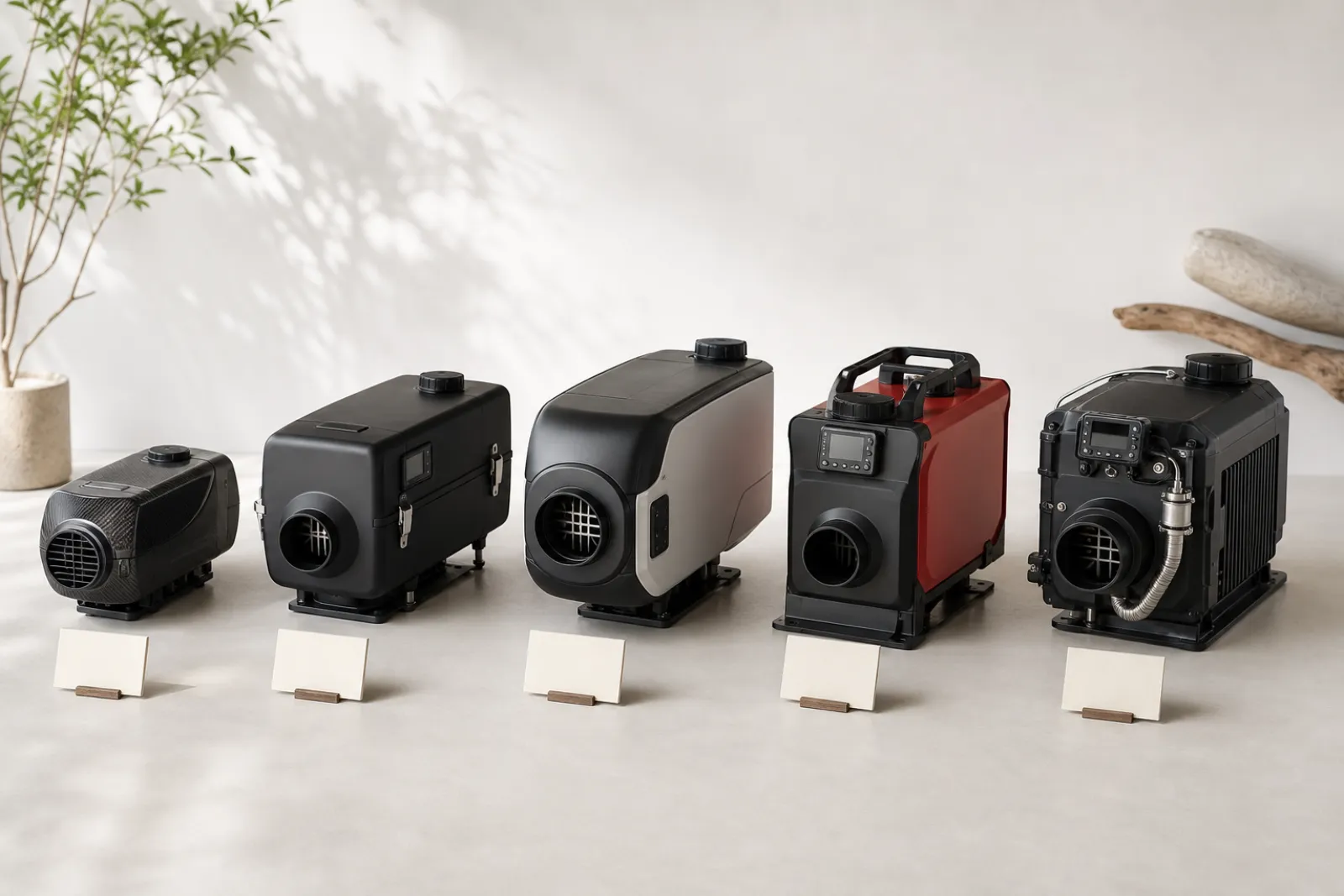
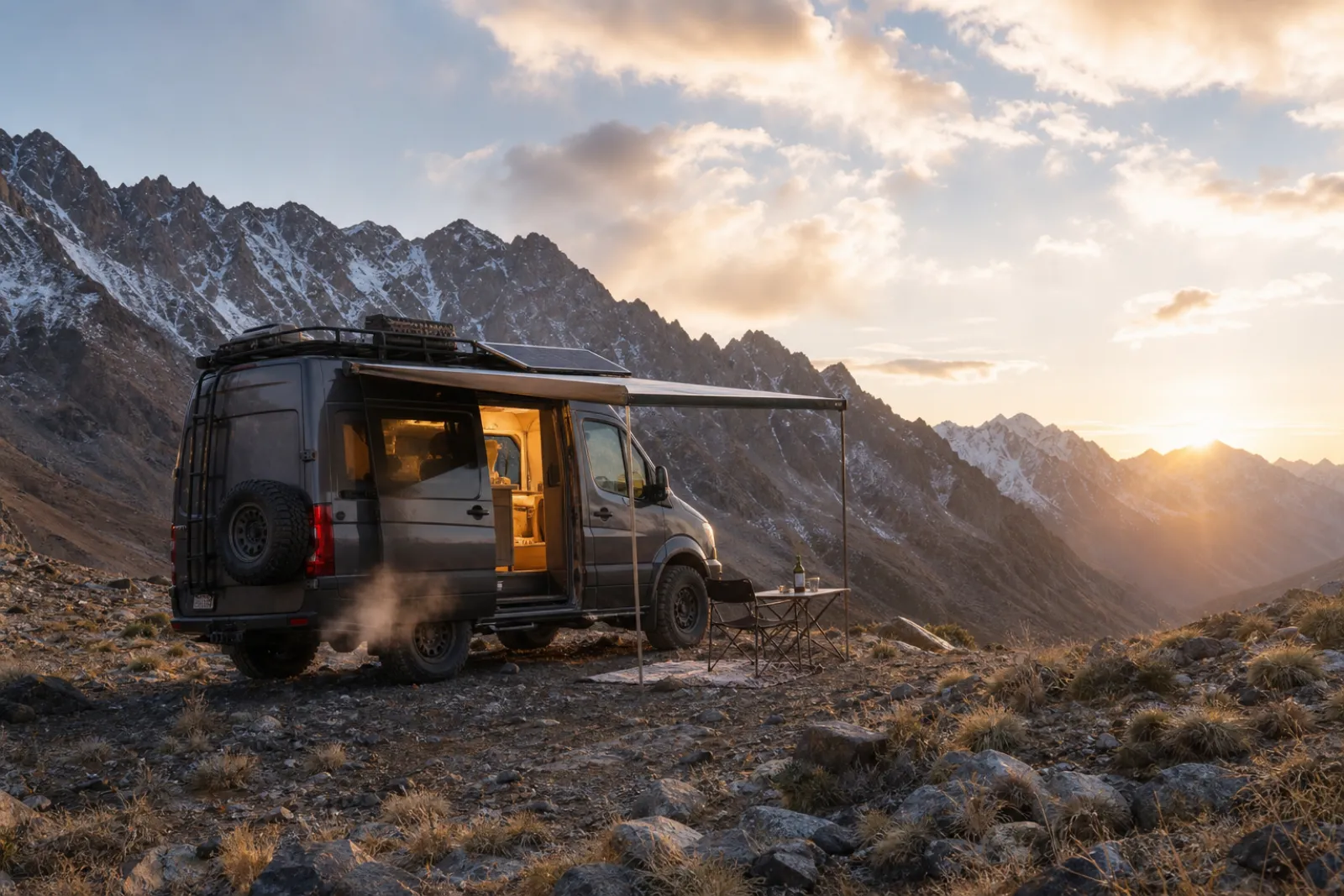
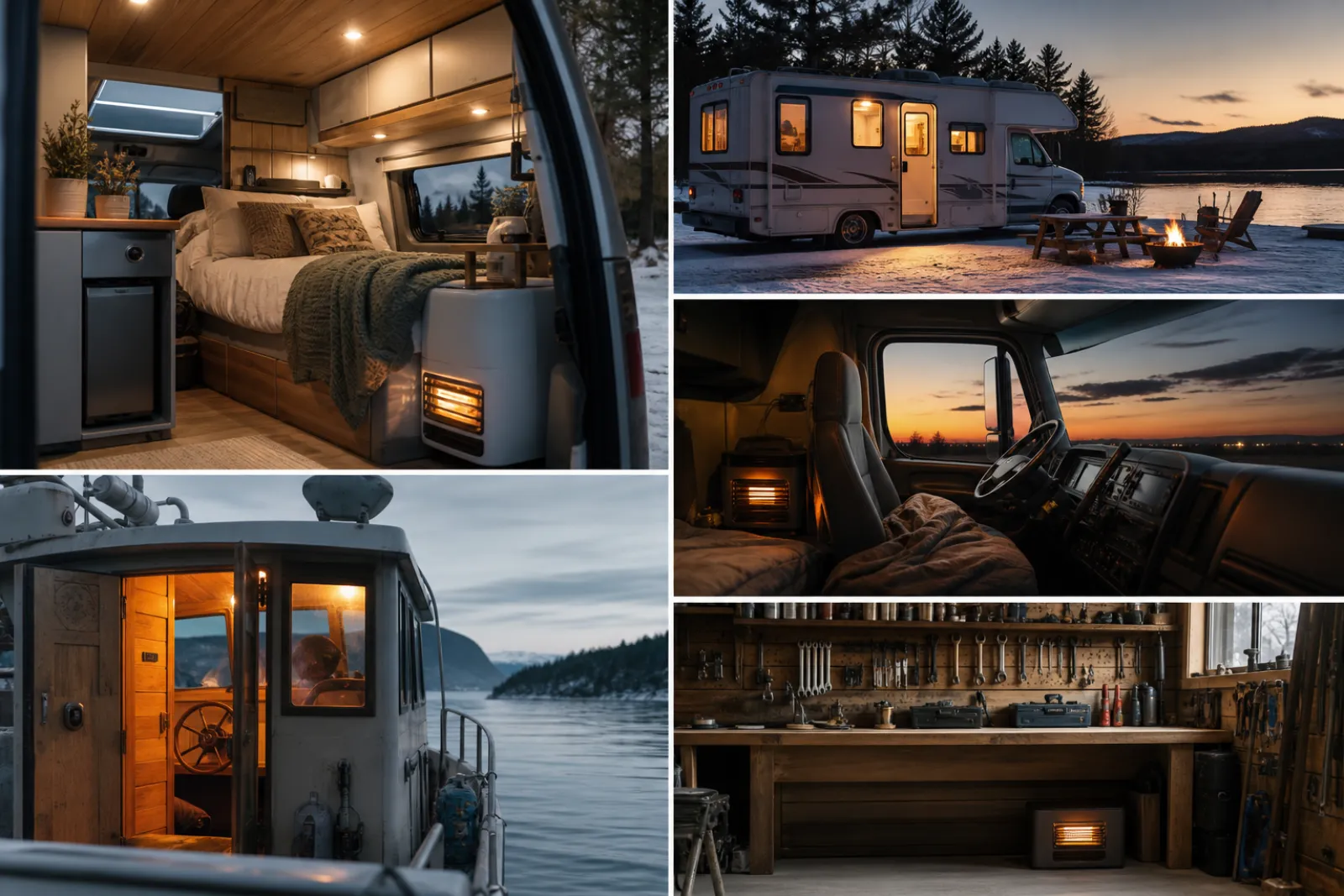
Match heater power to space. A 2kW suits a small camper; 5kw covers most RVs and vans; 8kw is for large rigs, buses, and drafty shops. Remember the oversizing trap — pick the smallest kw that comfortably covers your worst night, so the unit modulates instead of short-cycling.
Voltage: 12V vs. 24V Diesel Heater for Your Vehicle
Match voltage to your electrical system. 12v covers cars, vans, pickups, and most RVs running 12v dc or dc power from the house battery. 24v is for semis and buses. These run on battery dc power, not household 110v mains — a diesel unit is not a plug-in space heater. Confirm your system before ordering; it’s the easiest spec to get wrong.
LCD Display, Remote Control, and App Control Options
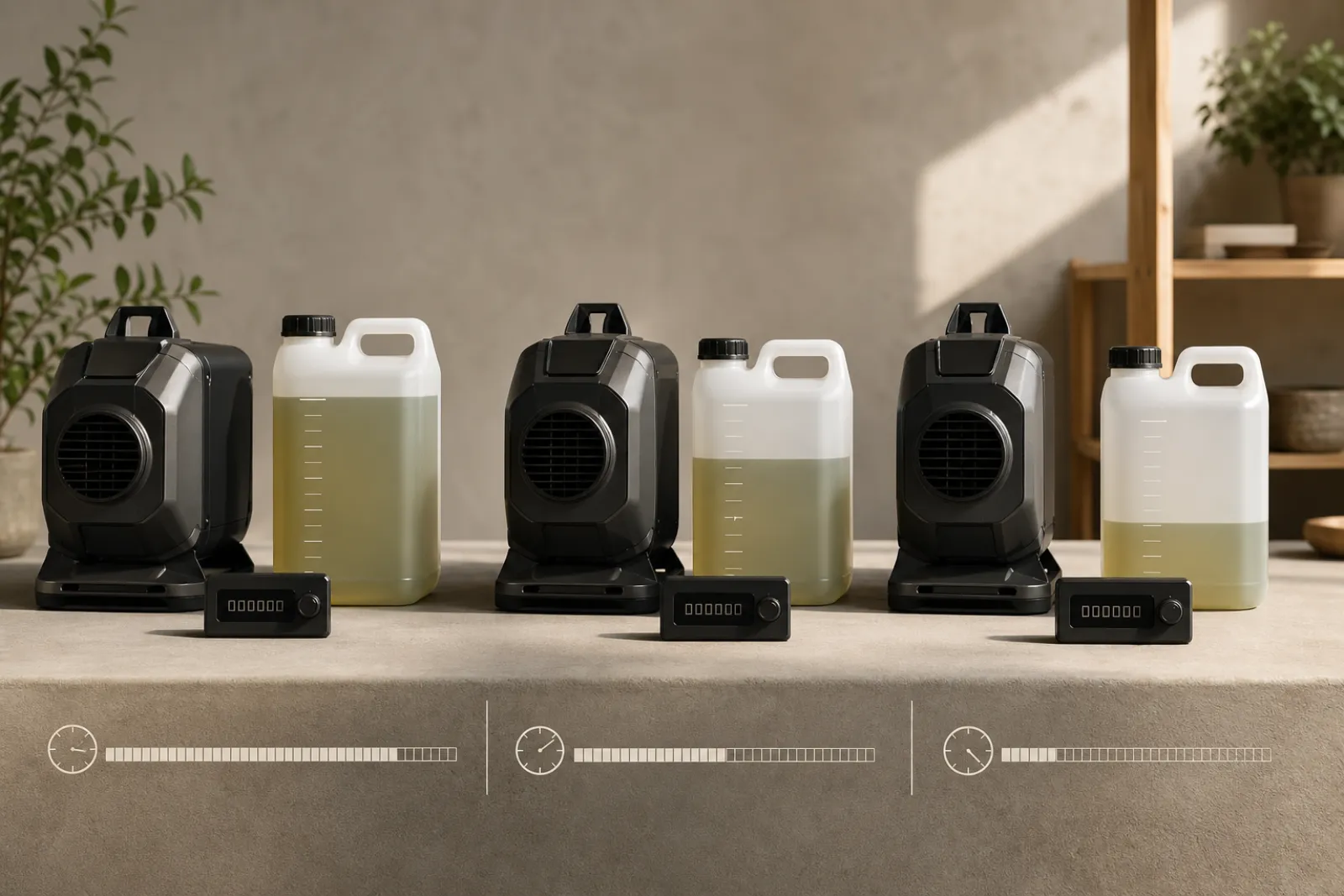
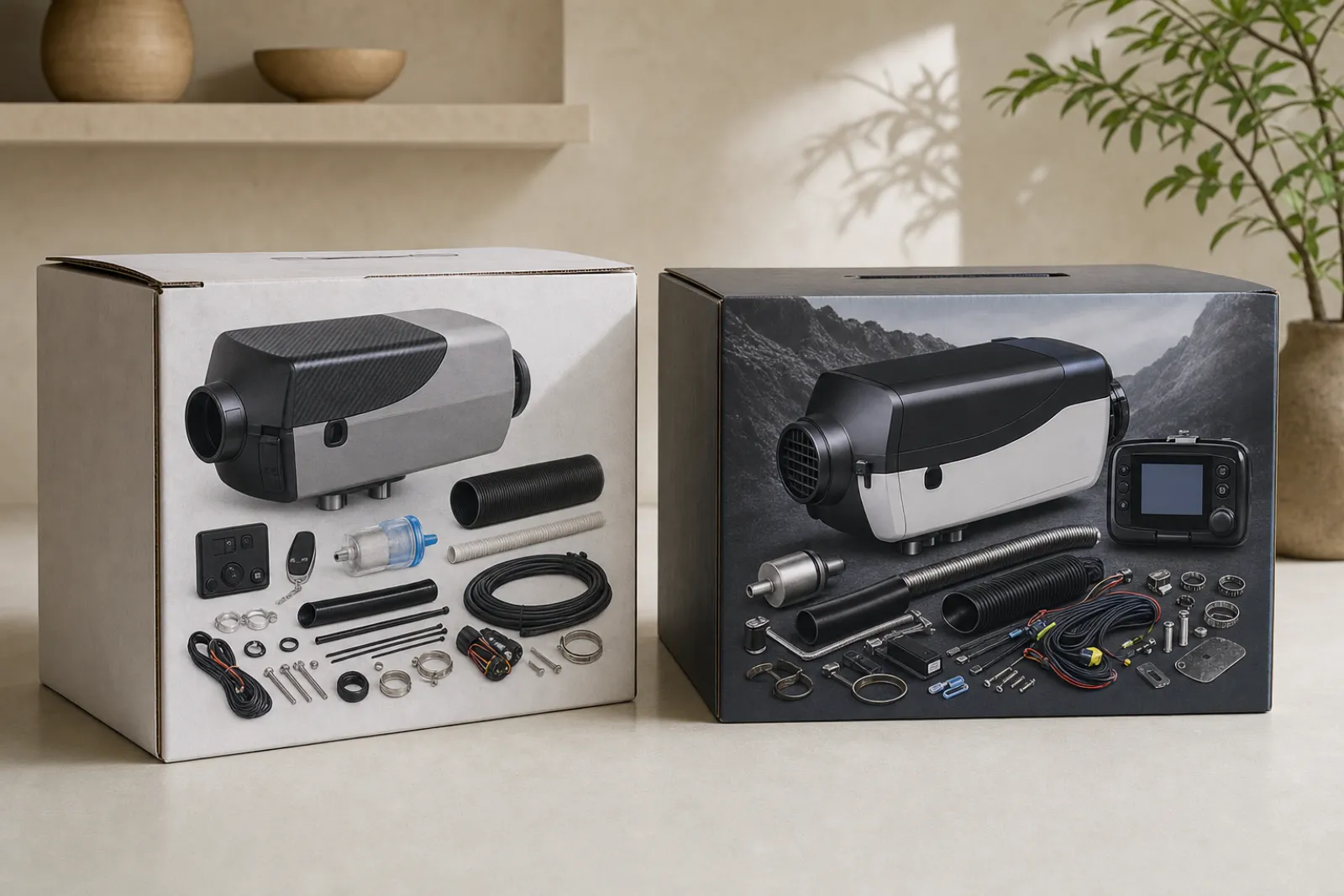
An lcd display or lcd screen shows temperature, power level, and timers at a glance. A remote control or app control lets you pre-warm from bed or from the trailhead. These aren’t gimmicks — a good controller with a temperature sensor feeding the control unit is what turns raw heat into steady comfort.
Air Duct and Exhaust Pipe Installation Requirements
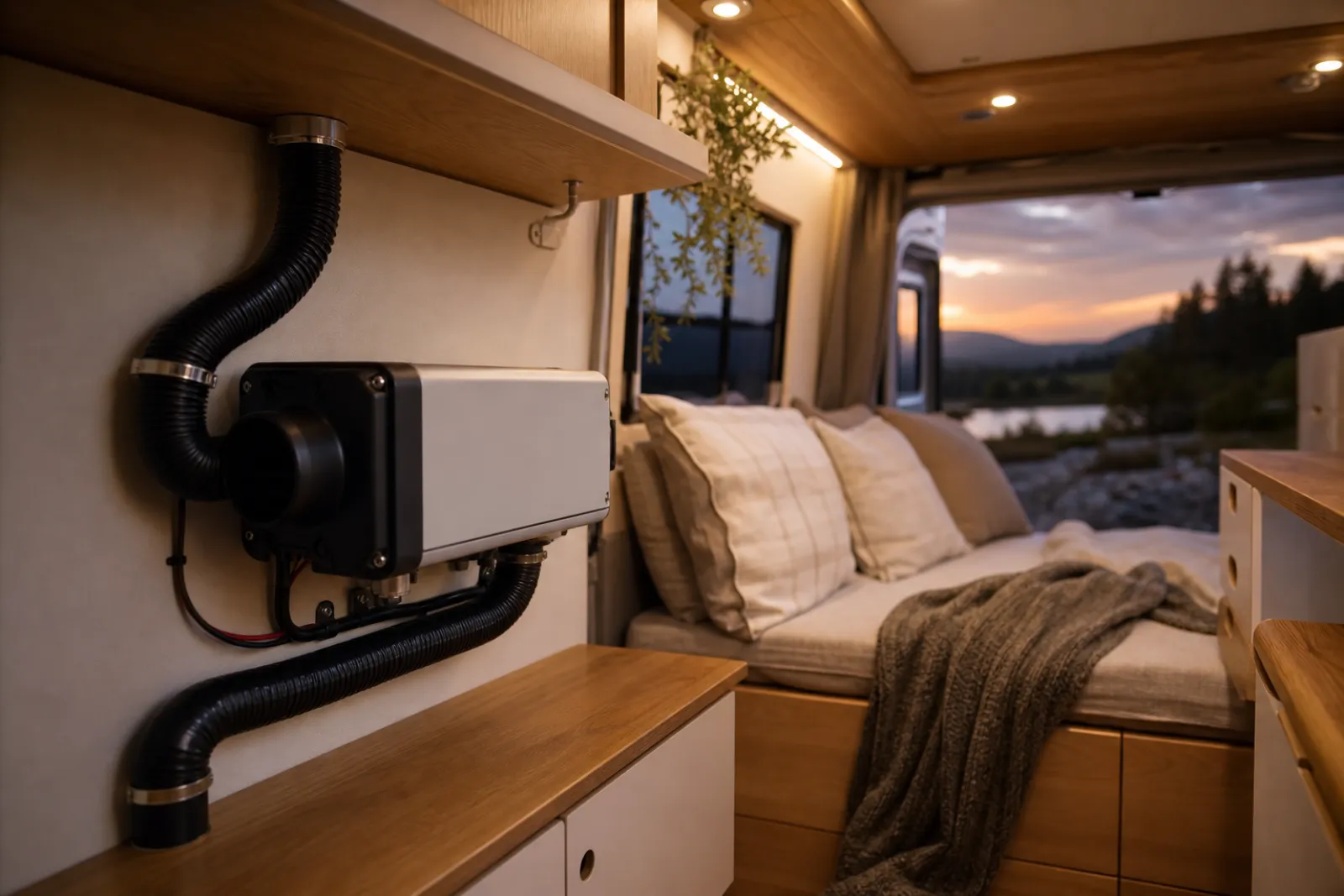
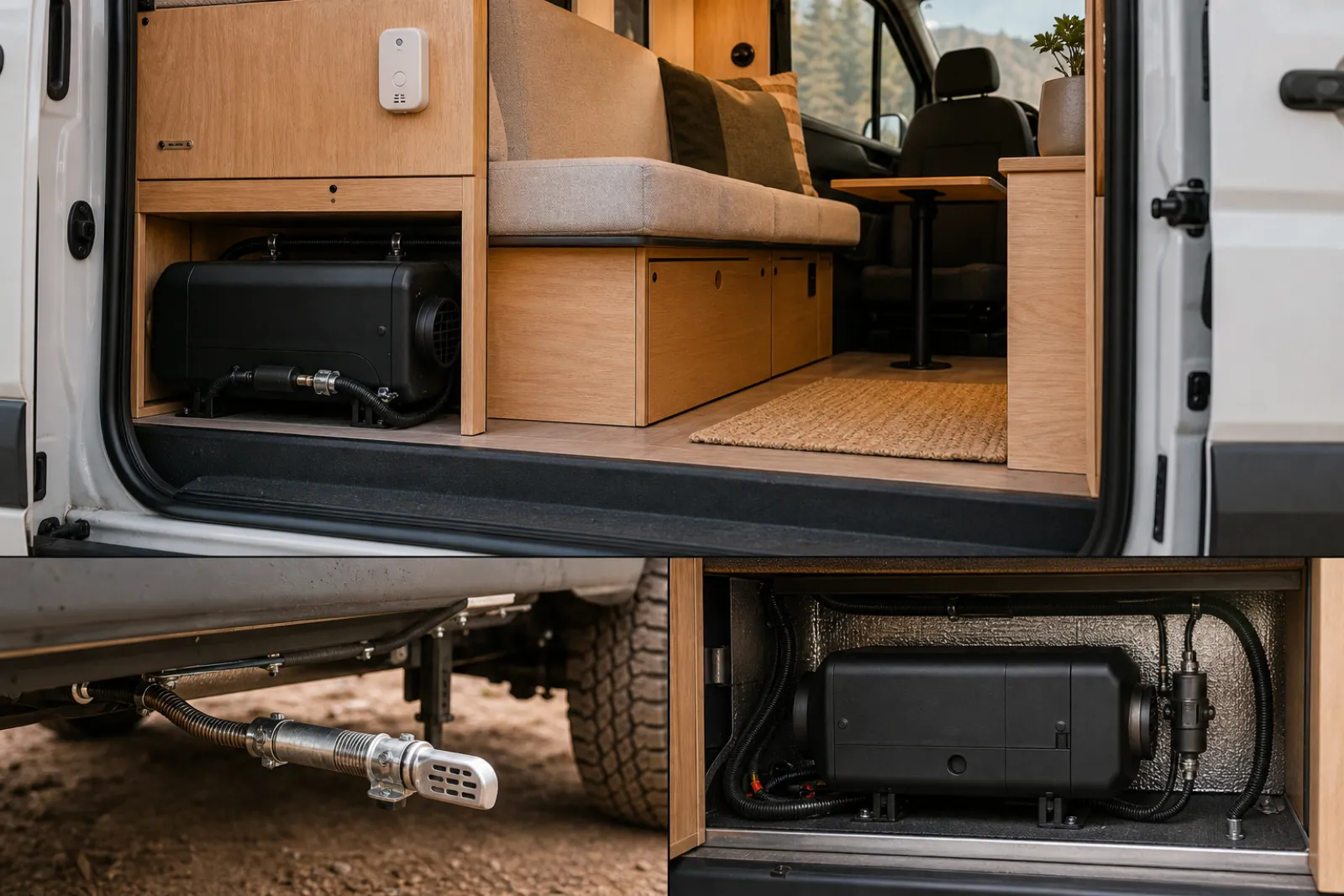
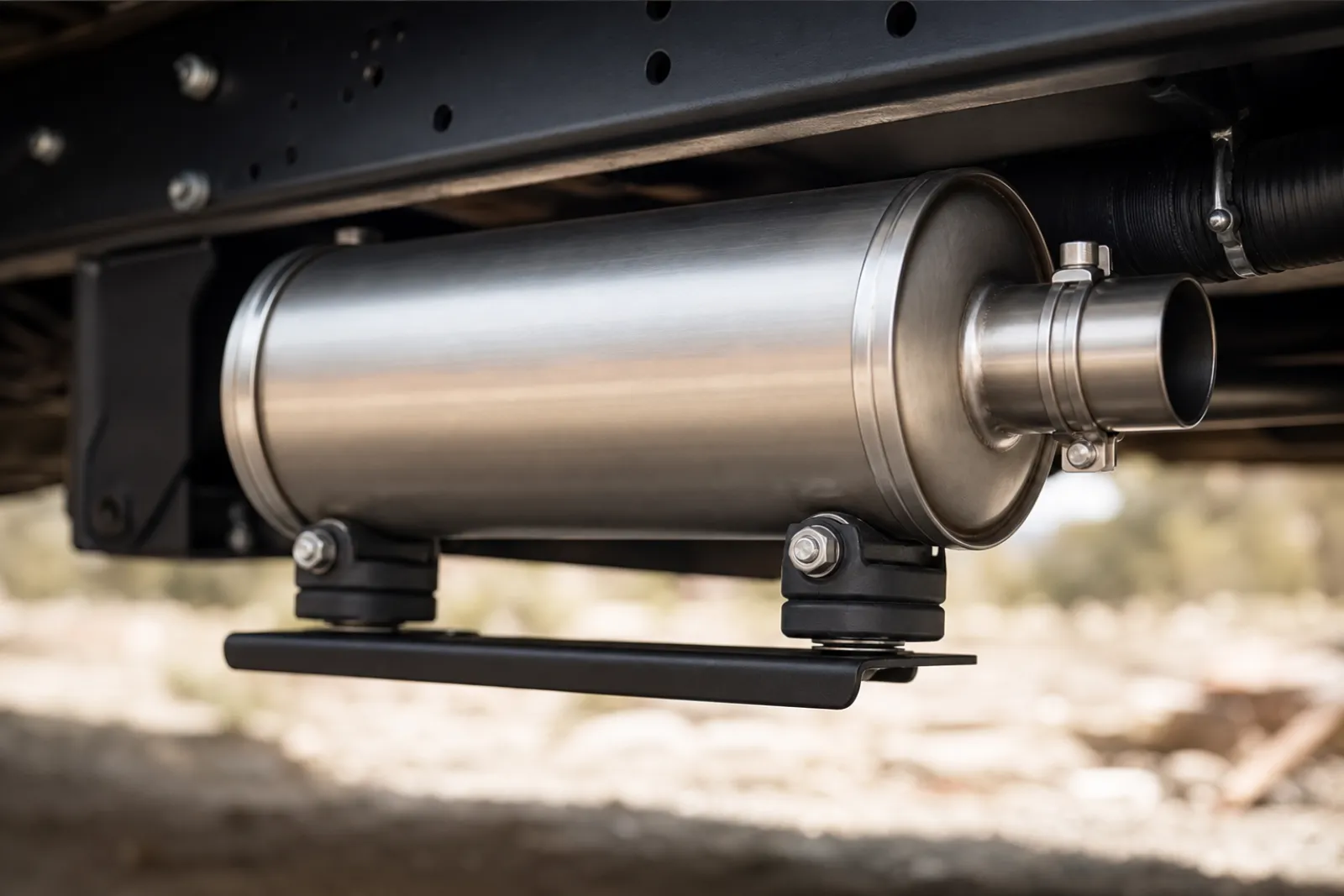
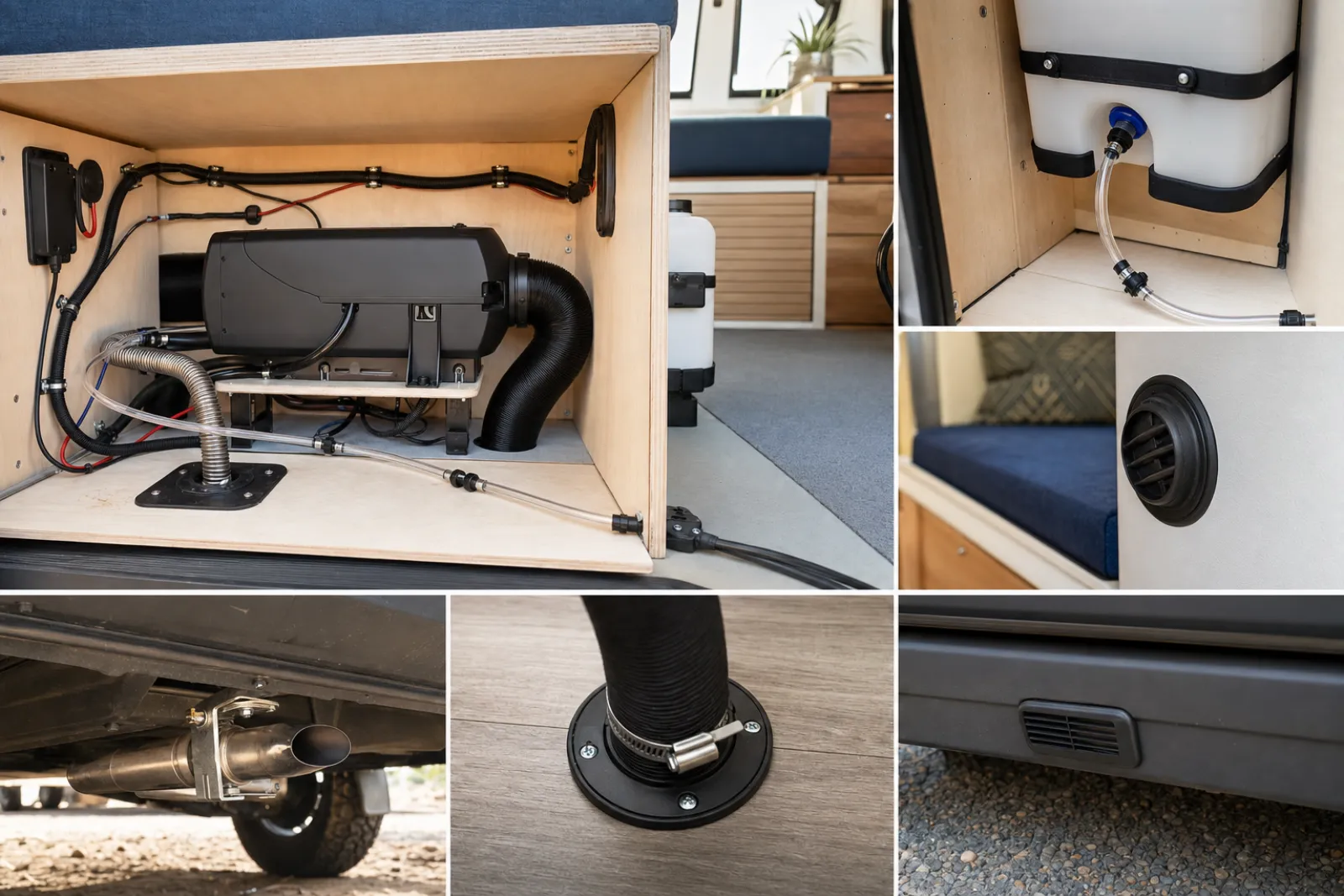
Plan your plumbing before you buy. You’ll route an air duct for warm air, an exhaust pipe for burnt gas, and an intake for combustion air. Confirm you have the wall or floor space for clean, short runs. A car heater style compact unit needs less room than a full RV setup.
BTU, kW, and Heating Capacity for Your Space
Spec sheets mix units, so here’s the conversion: 1 kw is about 3,412 btu/hour. A 5kW unit is roughly 17,000 BTU. Sizing by btu helps if you’re comparing against propane. As a rough guide, a well-insulated van needs 2kW; a mid RV 5kW; a big or leaky space 8kW.